Have you ever heard of The Elliott Museum in Stuart, FL? I asked people who were born and raised within thirty minutes of its doors, and almost every one gave me the exact same blank stare when I brought it up. It turns out that one of South Florida’s most mind-bending, eclectic cultural troves is hiding in plain sight on Hutchinson Island—completely under the radar of the very people who live next to it. But its under-the-radar status certainly doesn’t reflect the caliber of what’s inside. The Museum is filled with exhibitions covering so many facts of the region’s history that you will almost think of yourself as a local.
If you are looking for unique things to do in Stuart, FL, this museum should be at the top of your list.
Elliott Museum Quick Facts
- Address: 825 NE Ocean Blvd, Stuart, FL 34996 (Hutchinson Island, Martin County)
- Hours: Monday–Sunday, 10am–5pm
- Tickets: $18 adults, $16 seniors (65+), $10 youth (6–12), free for kids 5 & under and for veterans/active military with ID
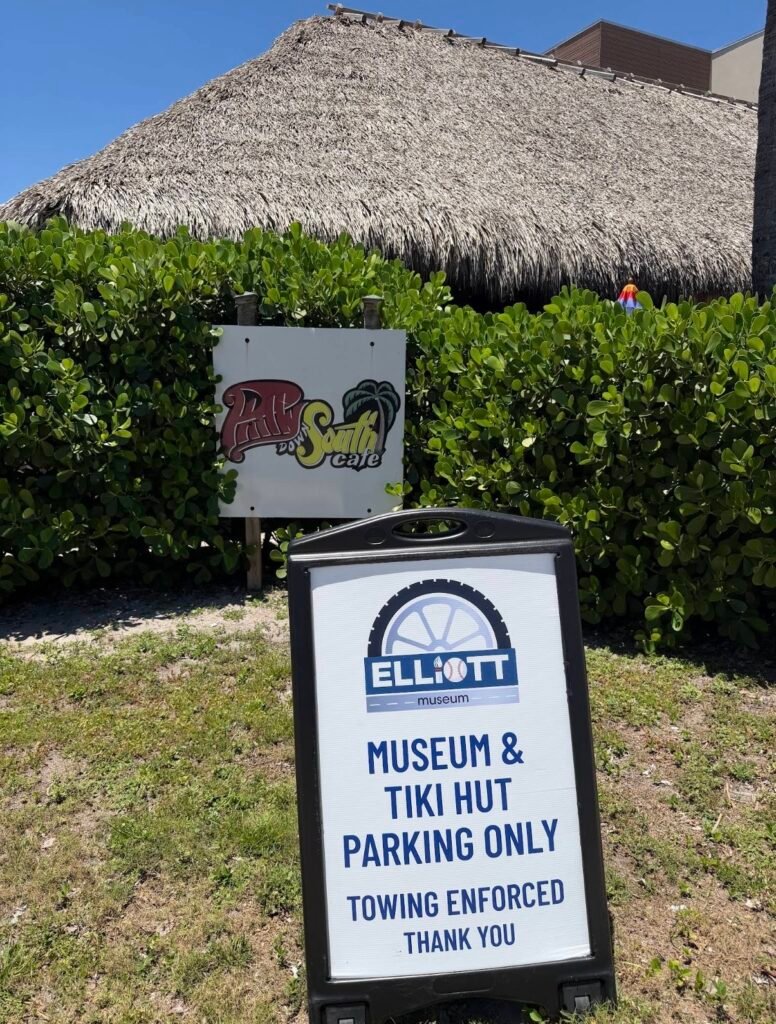
- Parking: Free, but limited. It shares its lot with the Philly Down South Bar and Restaurant next door. Additional parking is a short walk away near Stuart Beach, though that can fill too, especially in season.
- Time Needed: About 2 hours

The Story Behind the Name: Sterling Elliott
This unusual museum was created by Harmon Elliott in 1961 as a way to honor his father, the prolific inventor Sterling Elliott. His intention was to celebrate his father’s extensive work and bring educational and cultural information to Stuart, FL area. Since then, the attraction has gone through a complete transformation, when they demolished the old building in 2011 and reopened a state-of-the-art structure on the same site in 2013, with expanded space for more exhibitions.
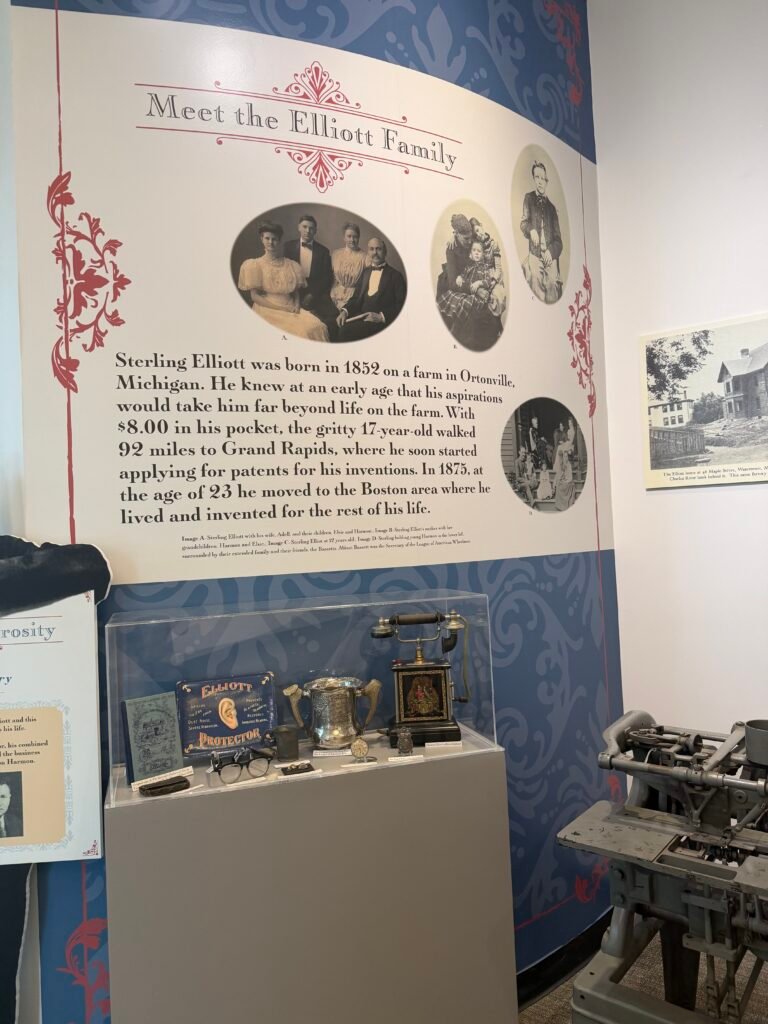
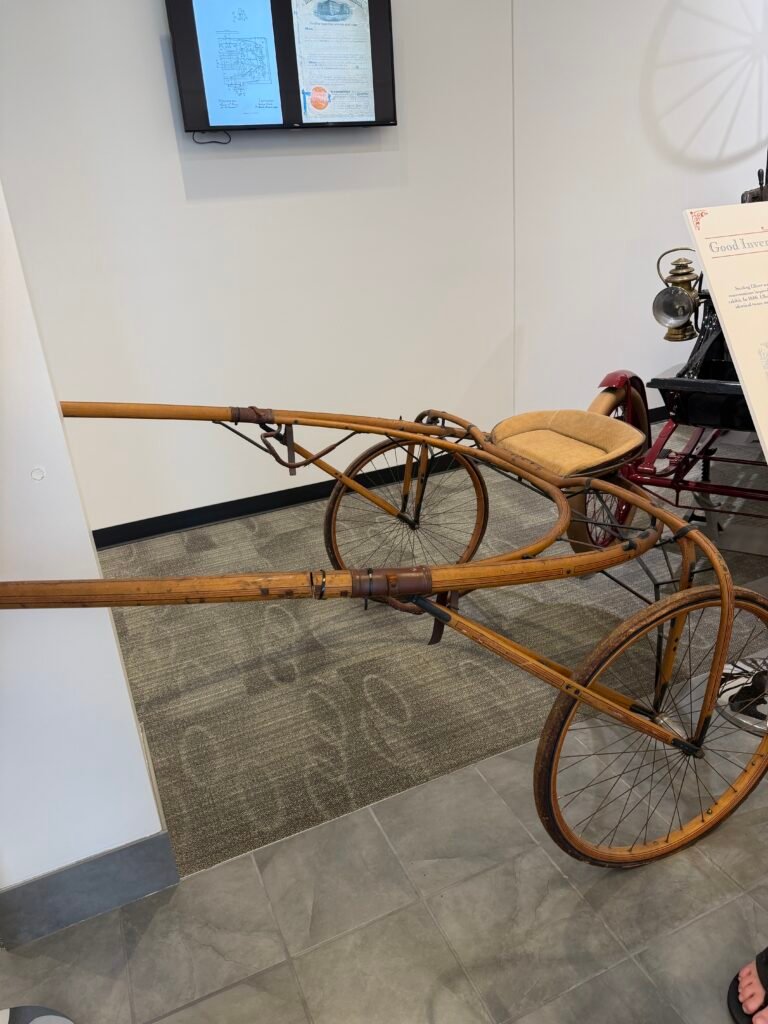
During my visit I came across the history, memories and work of Sterling Elliott, the reason for the Museums creation and name. Just like me, you may have never heard of him, but learning about his ingenuity was incredibly interesting. Elliott held over 125 patents, with his first one acquired when he was only 22 years old.
What Not to Miss Inside the Elliott Museum
The Foucault Pendulum
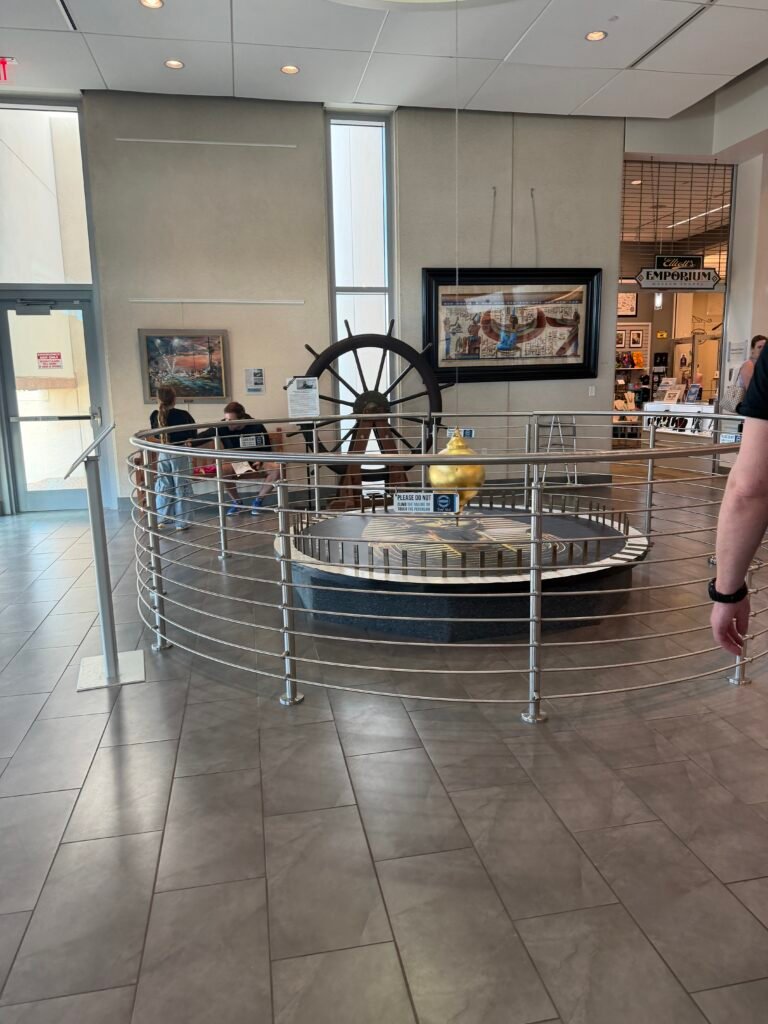
The very first thing that caught my eye was a massive Foucault Pendulum, oscillating in a nonstop, mesmerizing arc. This device is a scientific instrument to demonstrate the Earth’s rotation. At the base of the pendulum you will see a picture of Earth and around it, in a circle it contains many small metal pegs. Due to Earth’s rotation, the path of the pendulum appears to shift overtime, and as it progresses it knocks down a peg every 15 minutes as a visual proof of such Earth’s movement. In fact, you are able to have your name engraved in one of those pegs when you donate to the museum.
Rotating Wonders: From King Tut to Imperial Eggs
Once past the pendulum and the ticket counter where I purchased my admission, my museum journey officially started. The first visible exhibition was the rotating feature of the “Wonderful Things… The Return of King Tut”. Some of the items displayed were replicas of the boy king’s 120 artefacts including his tomb, gold face mask, golden chariot, and papyrus. I have to admit that I found myself wondering why such an exhibition was being displayed in this particular museum, and after some research I found out that it was created expressly for the Elliott Museum by the Egyptian Art Museum of Cairo, in Egypt! It’s worth mentioning that the replicas were commissioned under the authority of the Supreme Council of Antiquities in Cairo to ensure strict archaeological accuracy. If that hasn’t sparked your interest, let’s continue on, for I’m sure at least one of the collections held under their roof will. Just keep in mind, that because it was a rotating exhibition, you may not be able to see it when you visit, but another fun exhibit will surely take its place.
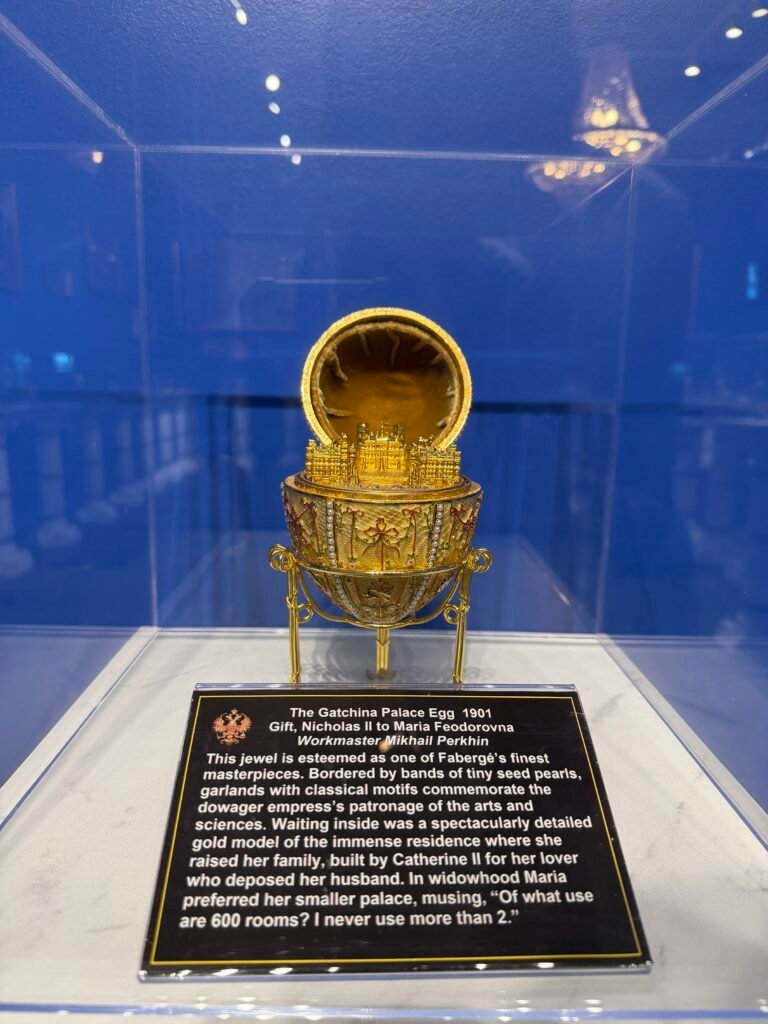
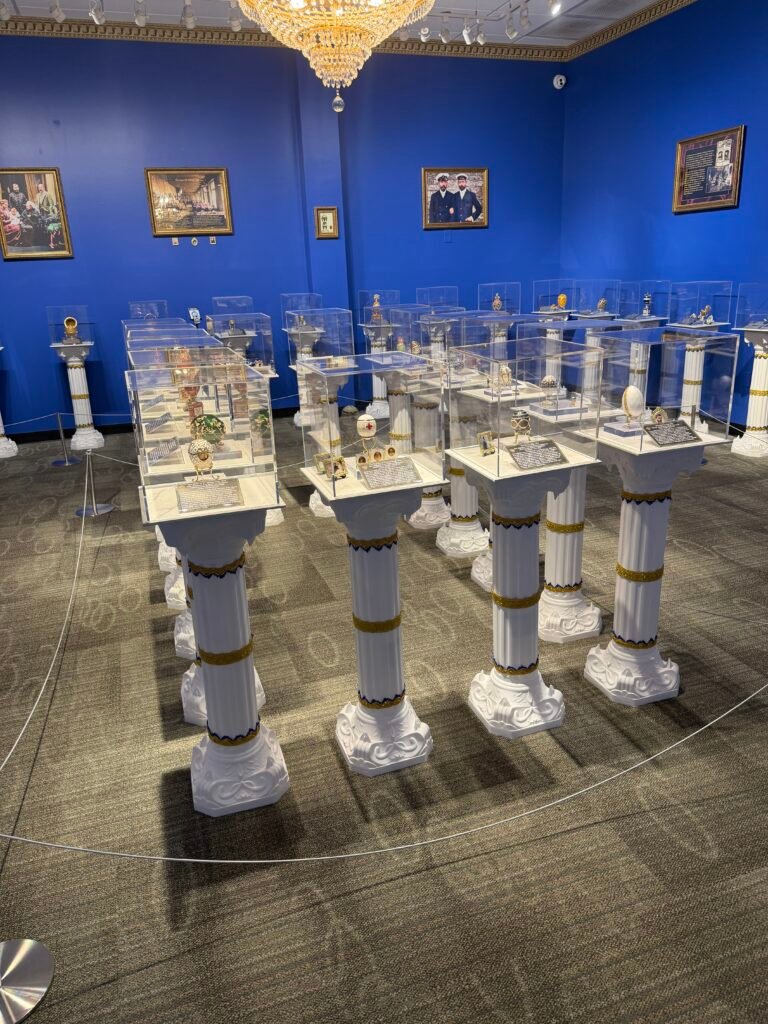
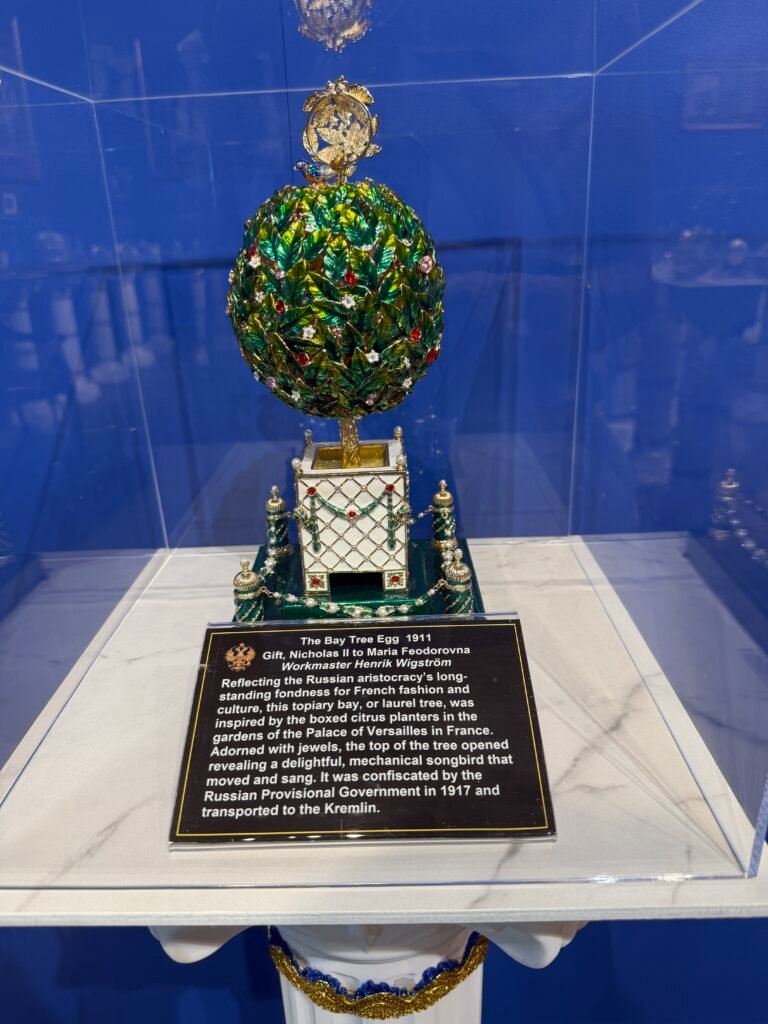
At the time of my visit there was another rotating exhibition of a collection of Fabergé Imperial Eggs Replicas. It told the story of how the famous Eggs came to become part of Russia’s Royals tradition of gifting these incredible artefacts to their loved ones. Check out the museum’s exhibit calendar to check out what rotating exhibitions are in display when you plan to visit.
A Vintage Car Collection Like No Other
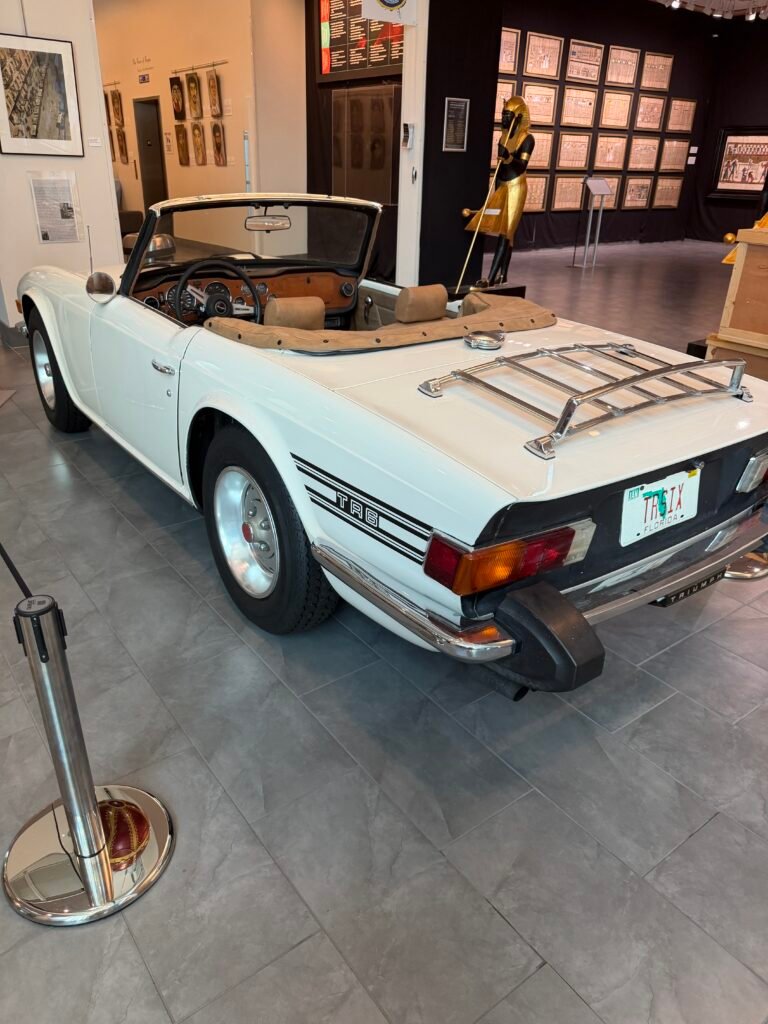
From the moment you pass the ticket counter, you will come across some incredibly well preserved vintage cars, such as a 1914 Detroit Electric Opera Coupe. Yes, an electric car from 1914! Another car you may see is the 1912 Ford Model T Speedster, the sports car of the time. That is due to the museum extensive collectible antique car collection.
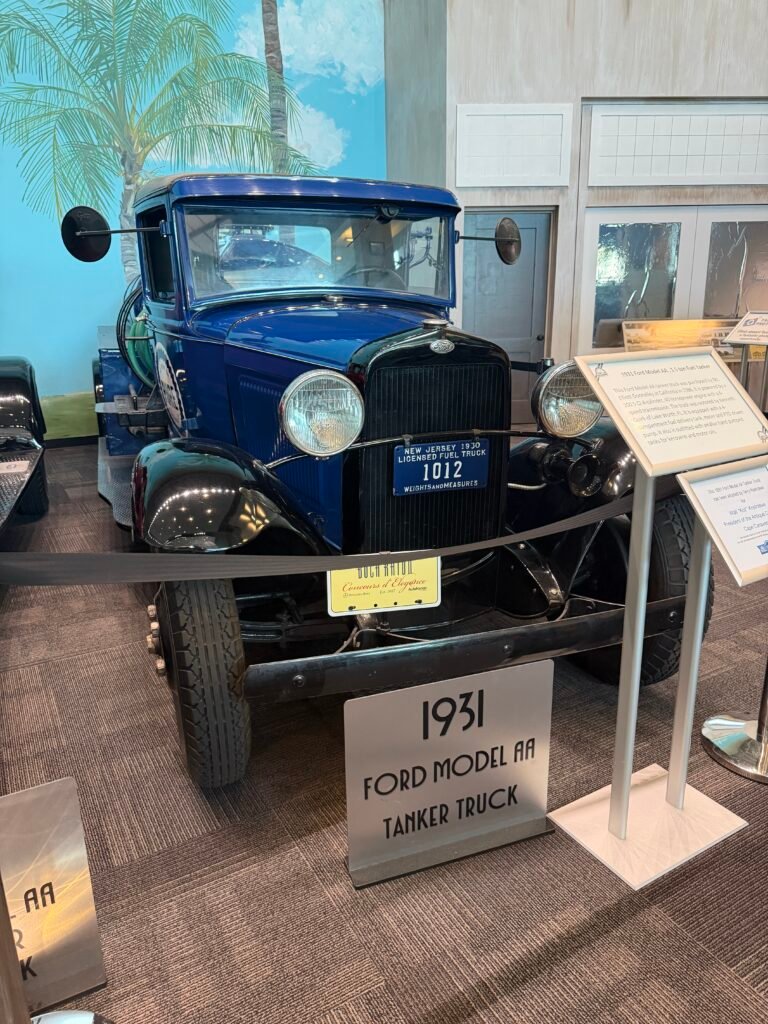
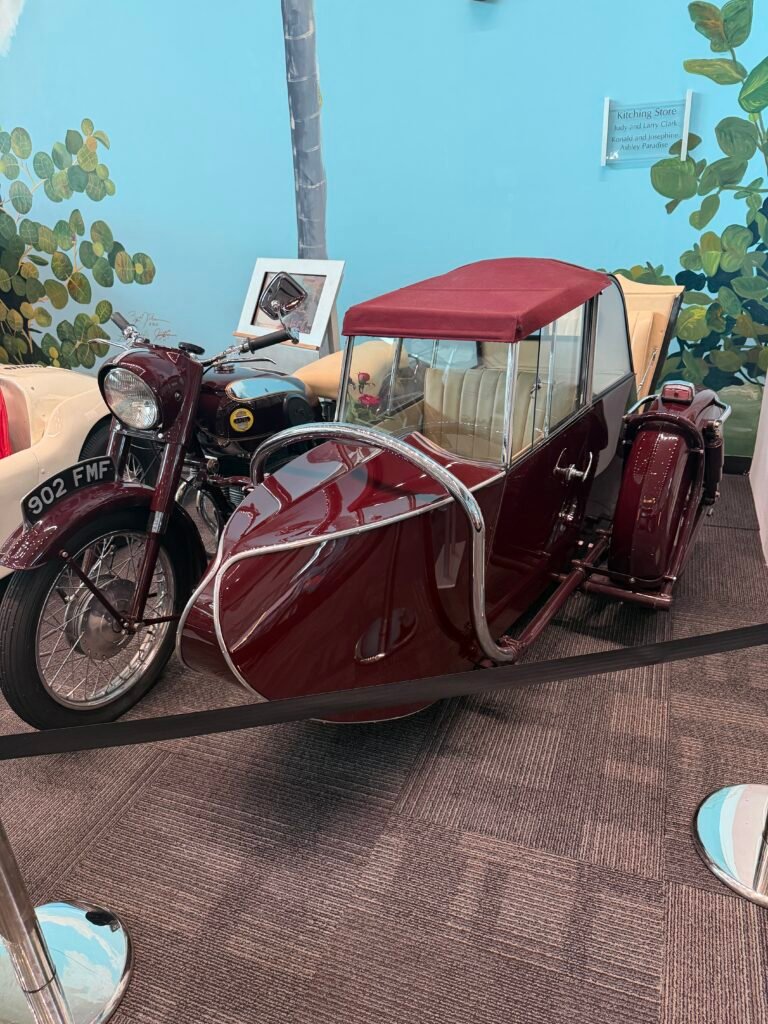
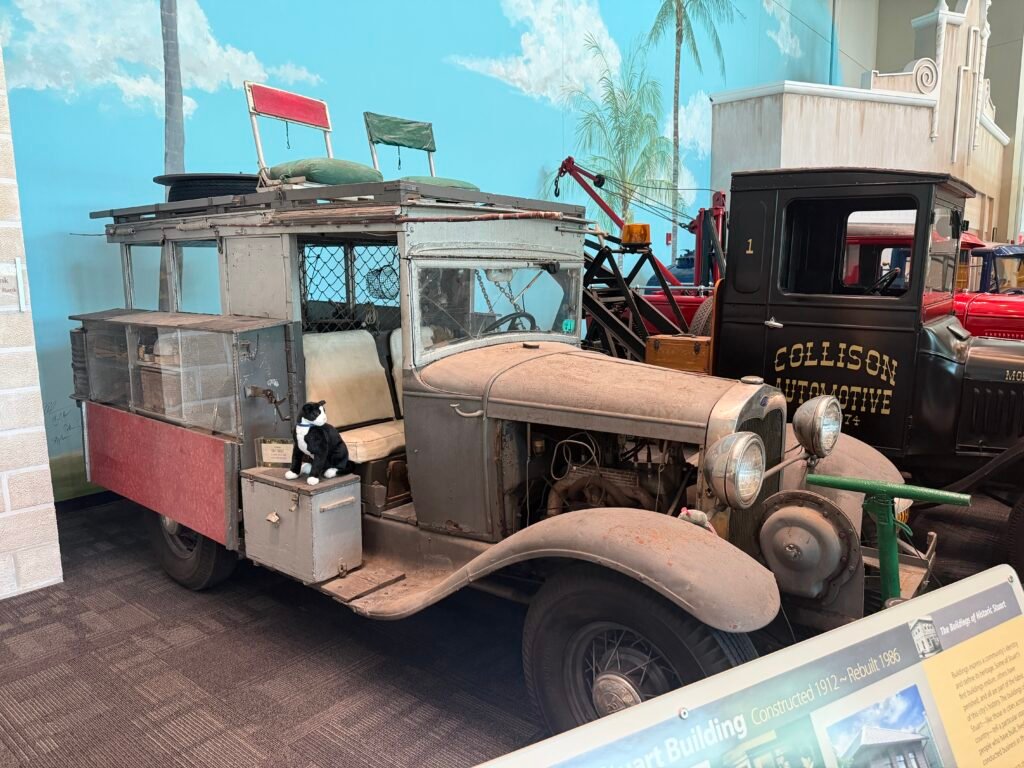
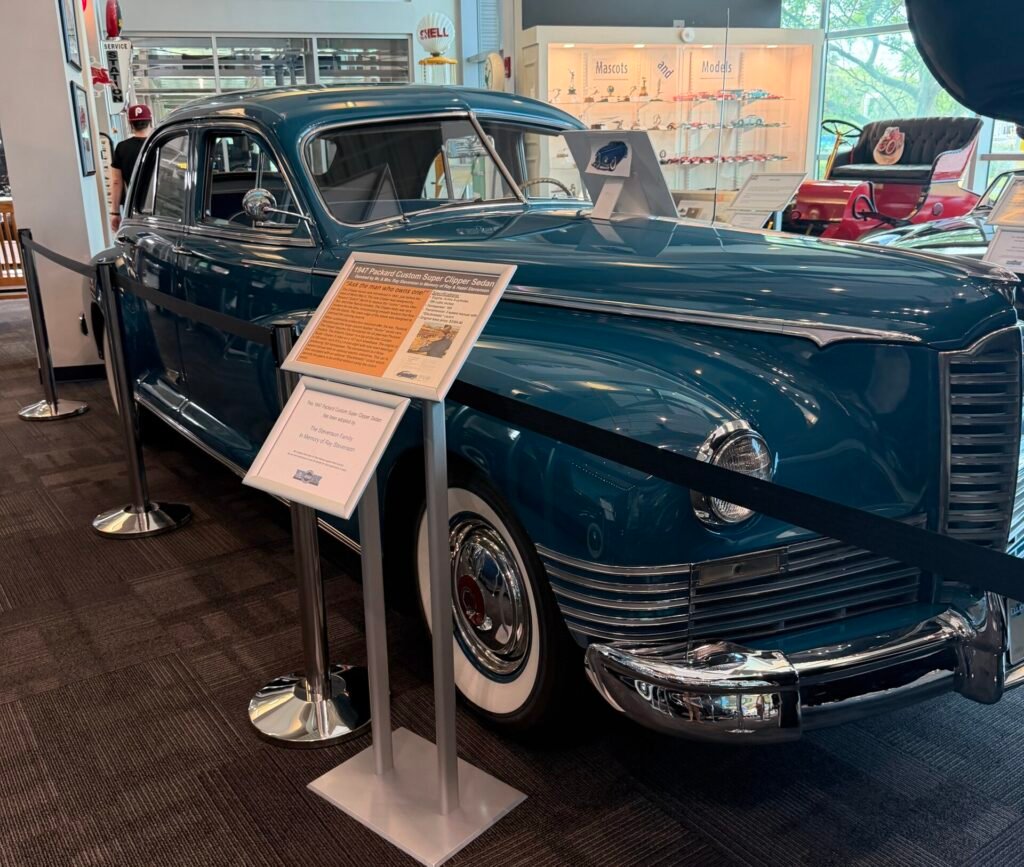
I am not a person that cares too much about cars, and I admit I thought I was going to be bored to tears. It turned out I was completely wrong; the pristine collection won me over, and I was genuinely surprised by how much fun I had admiring these timeless vehicles. Stepping into the main car gallery at the Elliott Museum, you walk into a big showroom filled with 50 antique vehicles, including a 1886 Benz Patent-Motorwagen, a 1903 Cadillac, a 1925 Springfield Rolls-Royce Silver Ghost Pall Mall Tourer and 1931 Ford Model AA School Bus. Honestly, there were so many incredible cars displayed that I couldn’t decide where to look at nor which one was my favorite. But if you had to force me to choose, I’d say it was the teal colored 1947 Packard Custom Super Clipper Sedan, which reminded me of a whale. I’m weird that way, always seeing animal faces on cars. Don’t ask.
Beyond this large room, as I moved upstairs to the museum’s second floor, I saw their three-story robotic car storage and retrieval system, home to more than 50 of the museum’s roughly 90 vintage cars, trucks, motorcycles, and bicycles. This unique one-of-a-kind automated car parking system is similar to luxury garages in Tokyo or New York. In fact, only four of these robotic “boomerang” systems were ever built — this is the only one still running today. This technology allows you to push a button on a touch screen and select which car you would like to view. You can check out their entire vehicle collection list at their website.
Nostalgia and Americana: The Baseball & Local Heritage Galleries
Are you finding the museum eclectic enough so far? Well, there’s more. Let’s move on to the Baseball Gallery. It is a rather small room, but they have an extensive collection of more than 600 signed baseball cards in a mechanical machine that you can select which card you would like to display — it works like a jukebox. There are also nearly 200 signed baseballs, 11 game-used bats, and memorabilia from Major League, Negro League and even the All-American Girls Professional League — enough that the museum calls it one of the largest collections of its kind outside Cooperstown.
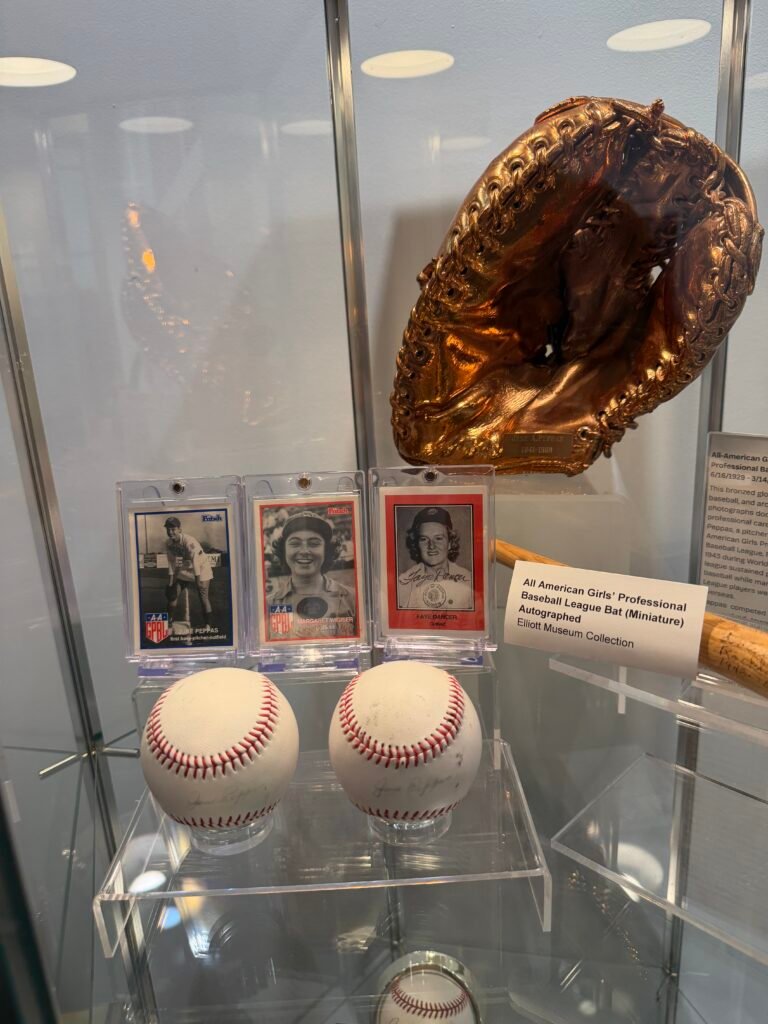
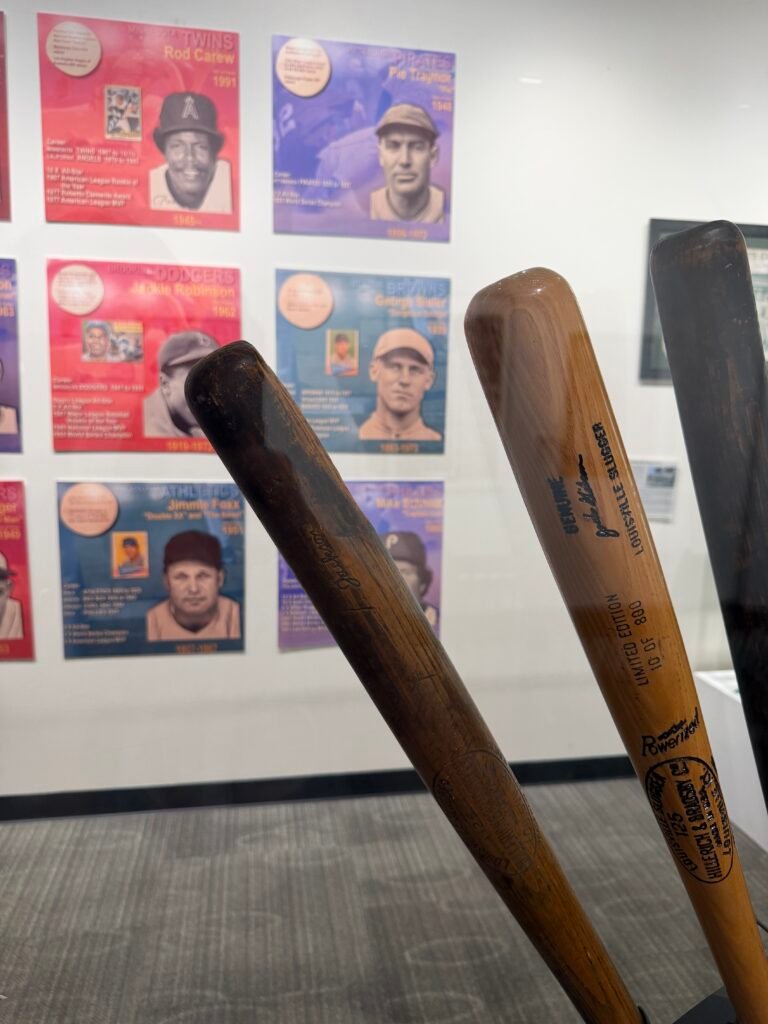
Further into the tour, I arrived to a hall filled with history to celebrate Stuart’s history. From historical sites, to historical maps, to a miniature version of Wyatt’s Model Circus and Parade. To Theater Ticket Booths, to Marriage Chest and Throne Chairs. This section really connects you to the local heritage. One of the rooms was turned into an authentic display featuring an Apothecary shop, a Barber shop, Ice Cream Soda Fountain and much more.
South Florida True Crime & Local Legends: The Ashley Gang & Frances Langford
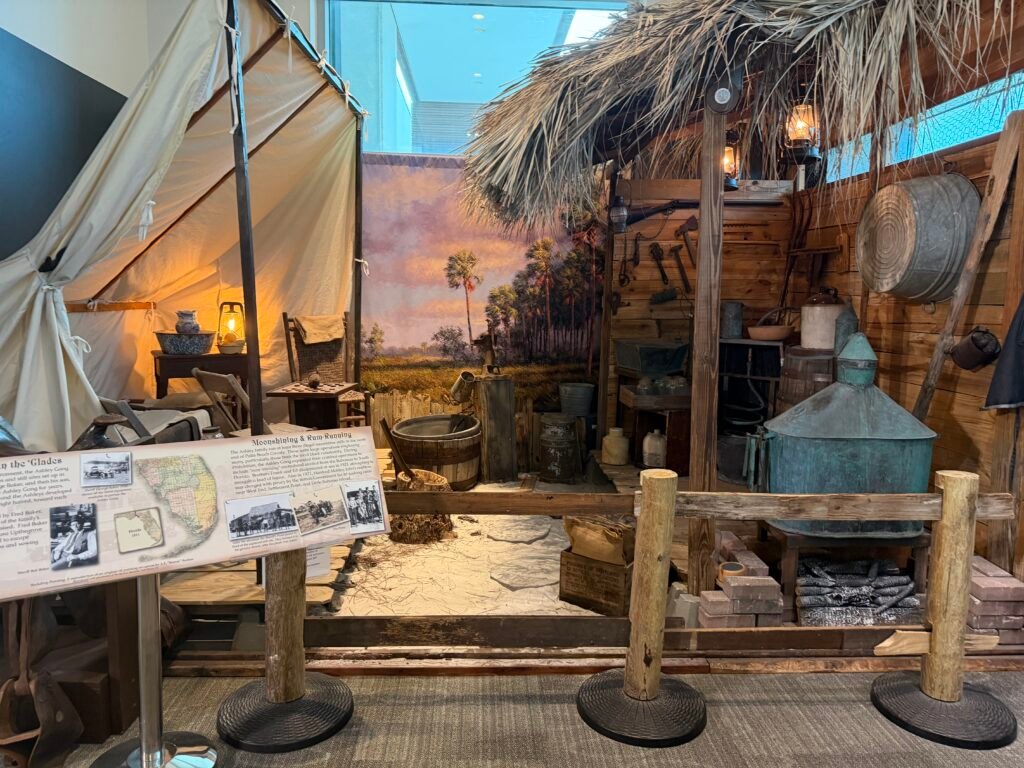
Let me tell you about one of my favorite sections of the museum, the Ashley Gang Exhibit. Yes, South Florida had its own nefarious gang! The Ashley Gang was active between 1910 and 1924, and during that time most of the unsolved crimes that happened in the south of the state was pinned on them. They were involved in several crimes, including murder, a long string of bank robberies that amounted to nearly a million dollars and even prison breaks! Although small, the Ashley Gang exhibit had a lot of history to show, books and movies made about them, including a mock of the illegal moonshine stills during Prohibition. I found myself completely immersed in their captivating—and at times, darkly comedic—history.
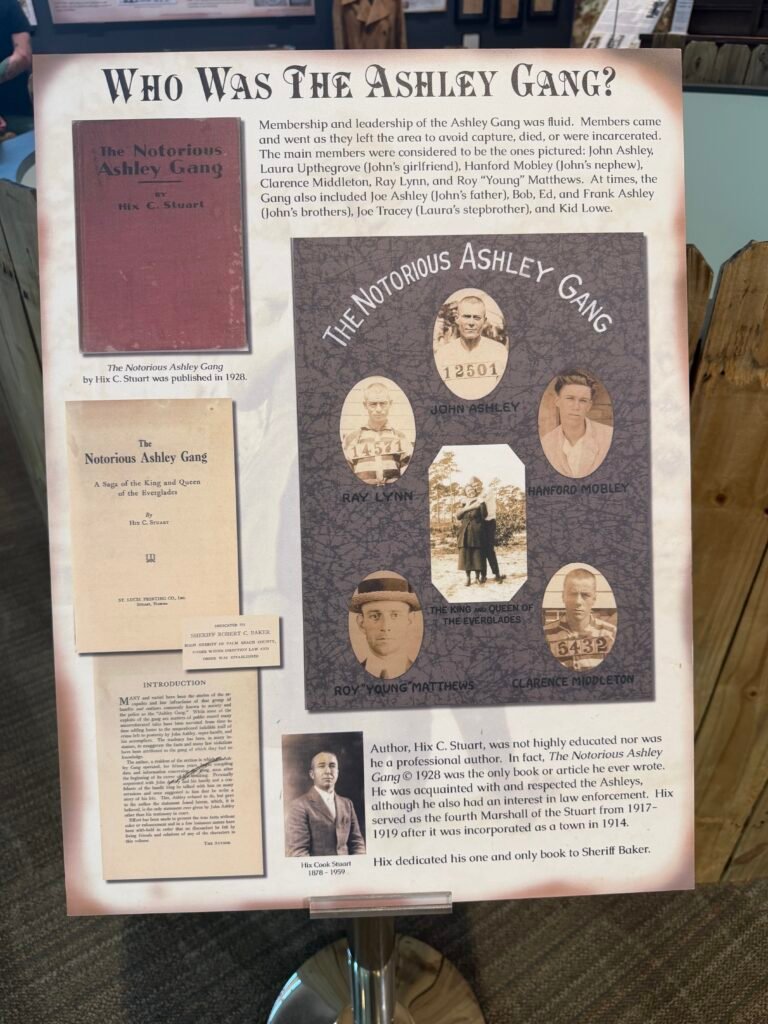
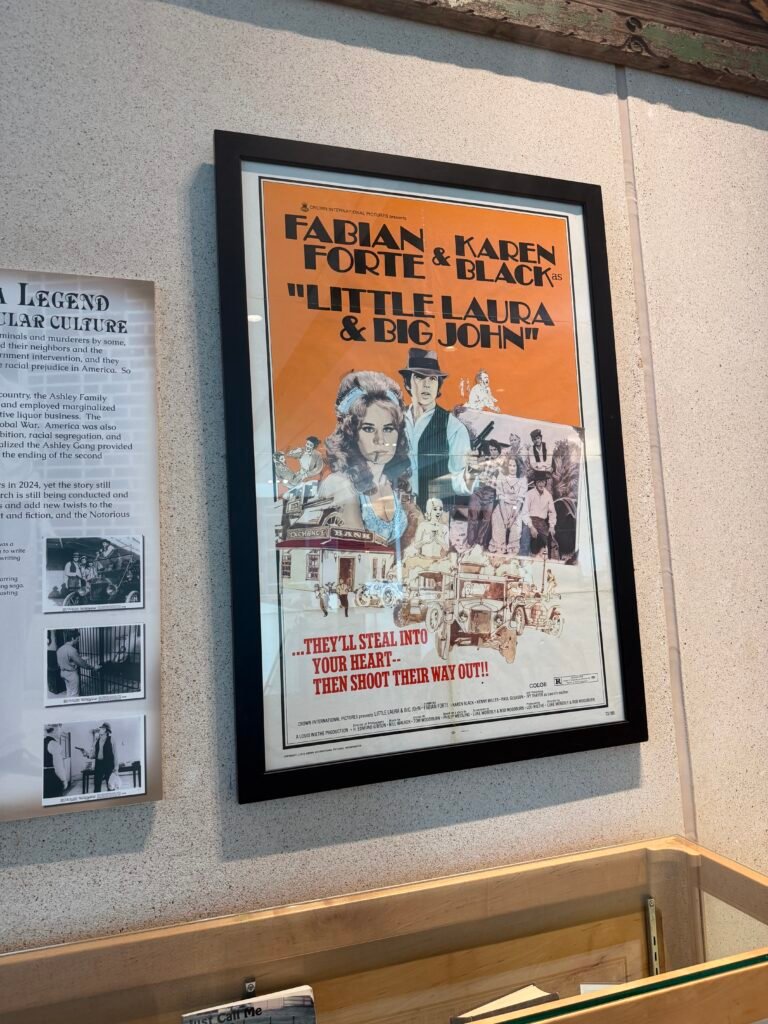
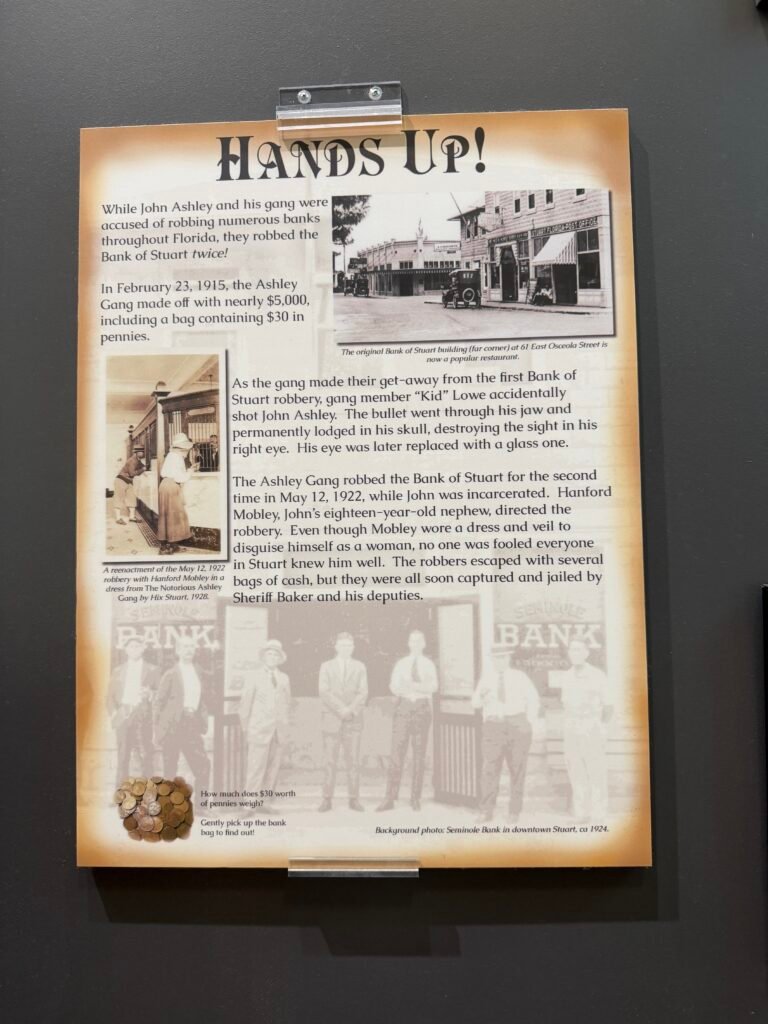
It’s fascinating how we, as humans, are drawn to the dark allure of the anti-hero. Why are we so utterly captivated by historical bank robbers and outlaws? Psychologists have a name for it: the forbidden fruit effect, our tendency to want something more precisely because it’s off-limits. True crime taps into that same forbidden curiosity, which is probably why there are so many true crime shows and documentaries that we can’t get enough of. Living within the lines of societal rules, there’s a subconscious thrill in analyzing people who completely ignored them to live a life they deemed appropriate. It’s our way to somehow experience how it is to live outside those lines.
The last exhibit in the museum is of Julia Frances Langford, a Martin County Tradition. The singer, actor and radio star was not only loved by the locals, but she was also a National Treasure known as “America’s Sweetheart of Song”. Besides being a very known artist, she was also celebrated for her extraordinary acts of generosity due to donating over $29 million dollars to a number of causes through the Frances Langford Foundation. The exhibition shows a collection of personal items, costumes, records and memorabilia related to Langford’s legacy.
As I said, the Elliott Museum is not like your ordinary museum. You will find memories of the local history through incredibly diverse exhibits. I love an art or history museum, but this one surprised me.
Curiosities & Details
Sterling Elliott, Inventor of (Almost) Everything
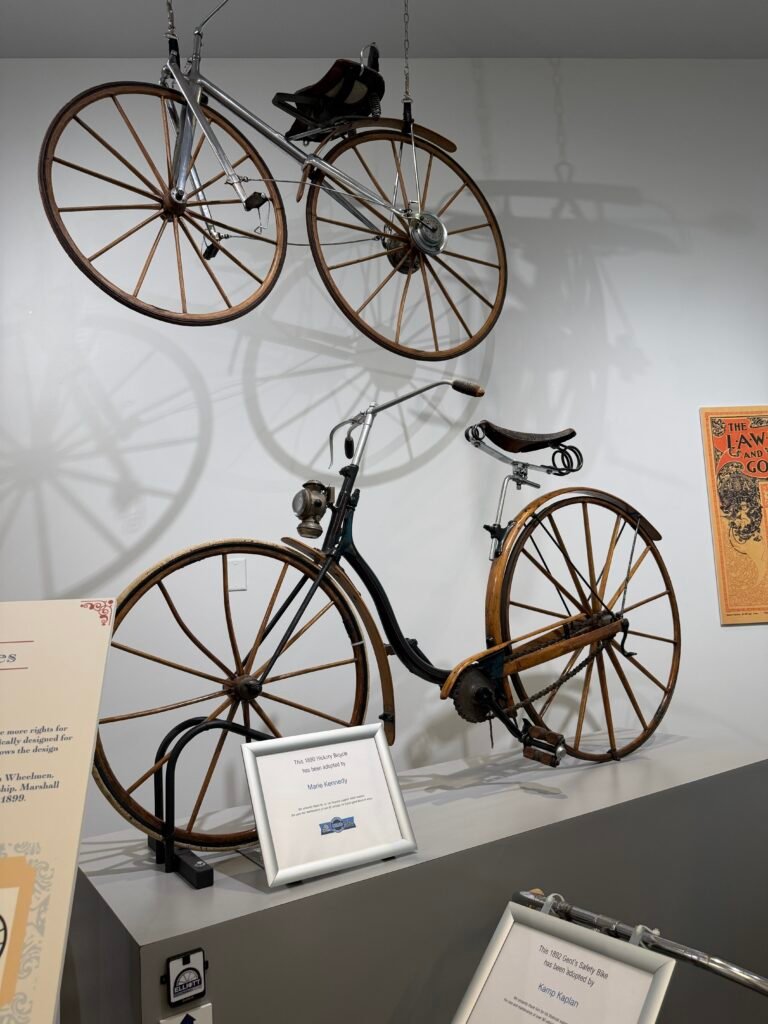
He invented things from a machine that tied a square knot in the binding of magazines, to a mechanical device to automatically and rapidly print addresses onto mass-mail envelopes and magazine wrappers. His most famous invention, however, was the Quadricycle Steering System, patented in 1890, which paved the way for modern automotive engineering by solving the core stability issues of multi-wheeled vehicles.
Is It Worth It?
The verdict: yes — especially if you like museums that refuse to stay in one lane.
What works:
- The range is the whole point: a Foucault Pendulum, a robotic car garage, an outlaw-gang exhibit, and Fabergé eggs, all under one roof
- It’s genuinely under-the-radar — even locals thirty minutes away haven’t heard of it, so don’t expect crowds
- Broad appeal even if you’re not the target audience for any one section — a self-described non-car-person walked away won over by the car collection alone
Worth knowing before you commit:
- The rotating exhibits (King Tut, Fabergé eggs) mean what’s on display when you visit may not match what’s described here
- It leans indoor and history-heavy — pair it with the beach or House of Refuge next door if you want a full day out
Essential Things to Know Before You Go
- Combo tickets: available with the neighboring House of Refuge, also run by the Historical Society of Martin County — worth it if you’re doing both in one trip
- Guided tours: available for groups of 10+, running about 90 minutes; most visitors self-guide at their own pace
- What to wear: comfortable shoes are worth it — the exhibits span a genuinely large footprint
- Photography: generally allowed, with restrictions near some original artwork
- Rotating exhibits: check the museum’s own exhibit calendar ahead of time if you have your heart set on something specific
- Parking: free but shared with the tiki bar next door — see Quick Facts above for the full picture
Where to Eat Nearby
From the moment I parked the car in front of the Museum it that caught my attention how this museum had annexed to its building the Philly Down South Bar and Restaurant! The establishment is exactly what you’d expect from a Tiki bar in Florida. A vibrant open ambiance, live music, good food and full-service bar. What they are really known for, and the reason for their name, is the authentic Philly Cheesesteak. And if you thought the surprises ended here, let me tell you, the museum is just a few steps from Stuart Beach, which also counts with a nice little Breakfast restaurant by the water, the Seaside Café.


If you are visiting, passing by or just unsure on what to do on your day off, remember that the Elliott Museum and surroundings can offer a complete program. No matter in what order you choose to enjoy all of these fun spots, you are guaranteed to have a great day – although I would suggest to leave the beach for after the museum. I don’t think the staff would appreciate you spreading sand all over.